VRENTY CAR · SARANDA
Saranda to Himare: give the winding coast room in your day
A northbound coastal drive is about choosing a few worthwhile stops. Decide whether Himare is a day-trip destination or an overnight base before filling the route with detours.
Reviewed 20 September 2026
On this page
Use Borsh and Porto Palermo as choices
These places can help structure a north-coast journey, but neither needs to become a compulsory stop. Choose where you want to spend time and check the current approach and parking. The coast's bends and settlement traffic make distance alone a poor measure of effort.
Parking and driving in Saranda: handle the small details early
Stay on roads allowed by your supplier
Follow a suitable paved route and check any uncertain beach exit before using it. Off-road capability does not override the agreement. A roadside view is a reason to find a lawful stopping place, never a reason to stop where visibility is poor.
Saranda to Ksamil by car: plan the beach day beyond the drive
Set a daylight return target
Allow for breaks, meals and walking from parking. A delayed departure should shorten the itinerary, especially when the driver is unfamiliar with the coast. Use a comfortable turn-around point rather than pressing on to a town simply because it was in the original plan.
Compare an overnight stay fairly
Staying around Himare may give you more time, but it changes accommodation, luggage and parking needs. Returning the car there is a separate one-way arrangement that must be confirmed. An overnight stop does not itself change the agreed Saranda return.
Official information: Albania Tourism: Riviera ↗
Check the route from your actual starting point, current travel time and permitted access.
Decide whether Himare is the destination or the direction
A north-coast drive from Saranda can be a day out toward Himare without needing to reach every place along the way. Decide whether you specifically want time in Himare, prefer a beach stop around Borsh or want to explore the Porto Palermo area. Those are different priorities, even though they can sit along one broad coastal itinerary. Choosing the purpose first makes it easier to set the distance and pace. A route with a clear focus often feels more rewarding than a sequence of brief arrivals.
If you plan to return to Saranda, the day needs enough time for both directions, stops and a comfortable evening arrival. If you plan to stay along the coast, the drive becomes part of an accommodation move with luggage and a new parking arrangement. Compare those two plans before booking the rental period. An overnight journey may create more time outside the car, but it also requires a confirmed place to sleep and a clear understanding of the next day's route.
Give the driver a voice in the choice. A winding coast can be enjoyable when the pace is manageable and tiring when the group keeps adding stops. The destination that looks most ambitious on a map is not automatically the best day. Choose the length that leaves time to look around, eat and return or settle in without treating the drive as a deadline.
Use Borsh as a worthwhile shorter outing
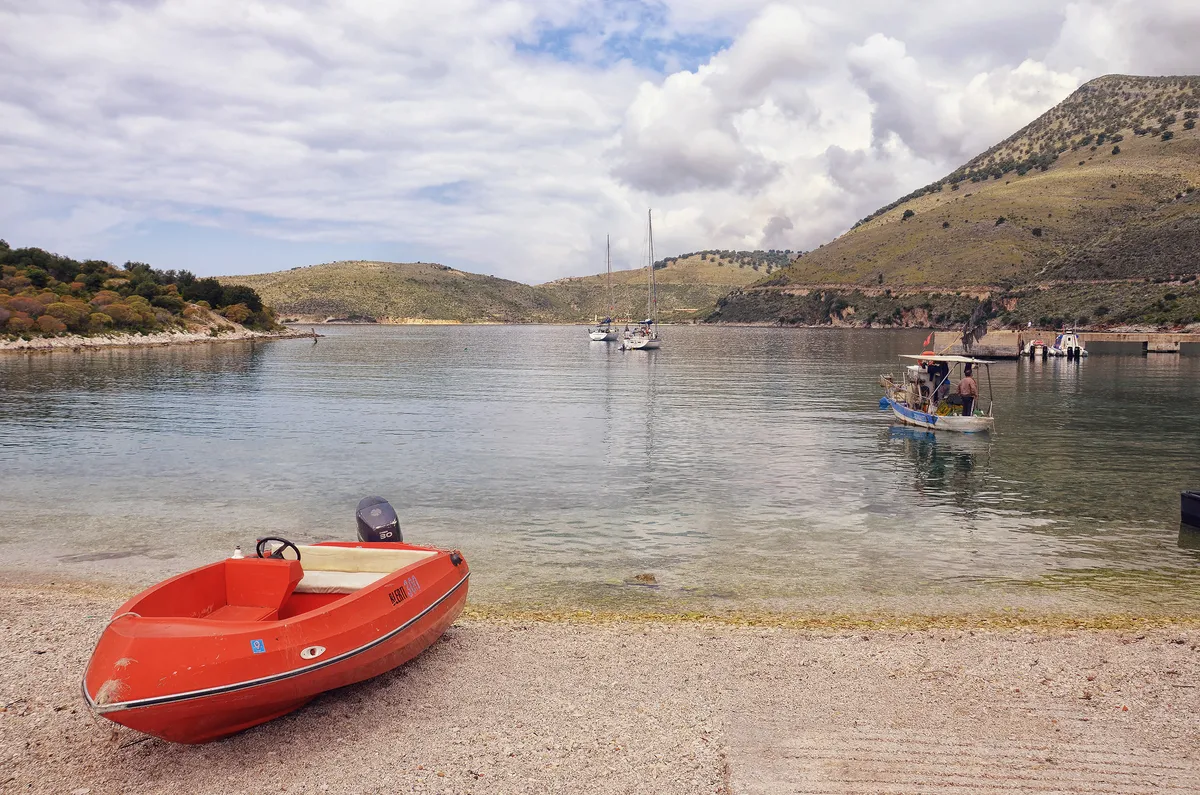
Borsh can be the main destination of a northbound day rather than a brief stop on the way somewhere farther. If your group mainly wants a coastal outing with a long settled break, consider whether stopping there gives more time for the part of the day you actually enjoy. Choose a specific beach, property or meeting point and verify the current vehicle approach. A place name is useful for orientation, but it does not establish which exit or parking area suits a rental car.
Check the final road and parking arrangement before committing to a particular beach access. Do not assume every route toward the water is paved or permitted. Ask the venue about the approach and the supplier about any uncertain segment. If the last part is unsuitable, choose a different authorised parking point or another destination. A shorter drive with clear access can give the group more time at the coast than reaching a farther pin with unresolved parking.
Keep the return simple if Borsh is the priority. You may decide on a meal or a safe viewpoint along the route, but neither needs to become compulsory. A day does not have to include Himare to count as a successful coastal drive. The rental's value can be the ability to choose your own departure and spend several hours where you want, then leave when the group is ready.
Plan Porto Palermo as a stop with its own access questions
Porto Palermo can be a focus or a supporting stop on the north-coast route. Decide what you want to do there before adding it to the timetable. Looking at the bay, taking a walk and entering a particular attraction require different amounts of time. Check current visitor information for any paid entrance or specific site you intend to visit. A scenic name in an itinerary does not tell you whether the place is open, where you park or how much walking is involved.
Identify a lawful place to stop and the route on foot from it. Do not use a road bend or narrow shoulder as a substitute for parking because a view appears suddenly. If the first suitable space is unavailable, continue to another appropriate option or skip the stop. The driver should be able to make that decision without pressure from passengers who want a photograph. A coastal view remains attractive even when you cannot stop at that exact point.
Consider how Porto Palermo fits the rest of the day. If it is the main interest, give it the time needed and shorten another stop. If it is optional, assess the remaining daylight and the group's energy before turning off. This keeps the visit useful rather than making it another obligation in a day already stretched by a long meal or a slower road journey.

Give Himare time after the drive
If Himare is your intended destination, reserve enough time to park and enjoy being there. Reaching the town and immediately turning back can make the day feel dominated by the road. Decide whether you want a meal, a walk, a beach visit or an overnight stay, then plan the earlier stops around that purpose. A full day trip may work for your group, but it needs a realistic return allowance and restraint about adding detours on the way north.
Use a specific destination within the Himare area. Accommodation, beach parking and a town meeting point may have different approaches. Ask for current vehicle access and any parking instructions that matter to your visit. If a property is reached by a steep or narrow lane, clarify the suitable route before arriving. Do not assume the same entrance shown to pedestrians is the right one for the car. Save the details while you have a connection and time to review them.
Once there, let the day have a settled period. A longer stop can make the northbound drive feel worthwhile without adding more kilometres. If the available time is too short for what you want to do, compare an overnight stay or choose a nearer destination for this day. The route should serve the experience you want, not merely prove that a return journey is possible.
Measure the coast in driving effort as well as distance
Distance is an incomplete guide to a winding coastal day. Bends, settlement approaches, slower vehicles and the need to stop safely can affect the pace. Use current navigation for an initial estimate, then add time for the parts of the outing it does not include. Parking, walking to a viewpoint, ordering a meal and getting the group back in the car all belong in the calculation. A string of small stops can use more time than one substantial visit.
Think about the driver's familiarity with the car and road. A comfortable pace leaves enough attention for signs, road position and other users. Do not make the plan depend on overtaking or matching the fastest journey estimate. If the driver prefers a shorter day, use Borsh or Porto Palermo as the endpoint and give the stops more time. The quality of the outing is not proportional to the farthest place reached.
Review the plan after the first substantial stop. You will have a better sense of the day's conditions and the group's preferred pace. If progress is slower than expected, shorten what remains rather than shrinking every later visit. A flexible turn-around point can preserve a pleasant drive and a comfortable return. Treat the original map as a plan to assess, not a target that must be completed.
Stay on suitable paved roads and verify beach exits
Check the rental agreement's permitted-road conditions before choosing coastal detours. A paved main route can lead to an unpaved beach exit or an access road that is unsuitable for the selected car. The last section matters even when it is short. Localrent's Albania terms identify restrictions on unpaved and prohibited roads; read the current terms and the individual agreement. A road being shown on navigation or used by another vehicle does not establish permission for your hire.
Ask precise questions about uncertain approaches. Name the beach or property and identify the actual road you intend to use. A broad question about driving to Himare may not cover a small exit you plan to take on the way. If the answer is unclear, choose a destination with a confirmed suitable approach. Do not rely on vehicle height or four-wheel drive as permission to try the route. The contractual restriction and the road's physical condition are separate matters.
Keep detours proportionate to the day. An unfamiliar turn can add navigation, parking and walking time even when it is allowed. A few verified stops are easier to enjoy than a long list whose access is discovered only on arrival. The car gives you freedom within the agreement, and a well-chosen paved route can offer plenty without requiring a search for the most remote possible beach.
Choose viewpoints where stopping is lawful and safe
Scenic roads invite spontaneous stops, but the decision belongs to the driver and the conditions at that moment. Look for a designated or otherwise lawful place with enough space to leave the running lane fully and rejoin safely. Do not stop on a blind bend, obstruct an entrance or use a narrow shoulder simply because passengers see a view. If there is no appropriate place, continue. Missing one photograph is a normal part of driving a coast responsibly.
Agree this with the group before departure. A passenger can note an interesting place for a later review, but should avoid urgent instructions that pressure the driver into a sudden manoeuvre. Set expectations that some views will be enjoyed from the car. When a suitable stop appears, park first, then decide where to walk. Check the surroundings before opening doors and keep the group away from moving traffic.
Allow time for the return to the road. A viewpoint stop is not only the minutes spent taking pictures; it includes slowing, parking, getting out, gathering the group and finding a safe opportunity to leave. Several stops can substantially change the day. Choose the ones that add most value and avoid repeatedly interrupting the drive just because another view seems slightly different from the last.
Set a daylight return target and a turn-around rule
For a day trip from Saranda, choose a return target that leaves room for unfamiliar roads in daylight where practical. Work backwards through the drive, breaks and the time needed to leave the last stop. Then decide how far north the plan can comfortably extend. Do not make the farthest destination fixed while allowing the return to absorb every delay. The return is half the driving task and deserves the same care as the outward journey.
Use a clear rule for changes. For example, if the first major stop takes longer than planned, drop a later optional visit or make the nearer place the endpoint. The rule should be about the time and energy remaining, not an invented universal hour that suits every season. Check the actual daylight and conditions for your date. A late departure from Saranda should shorten the route rather than force a faster pace.
Keep the final hotel approach in the calculation. You may still need to use a garage, find a shared space or unload bags after reaching Saranda. A comfortable return ends at the accommodation with the car properly parked, not at the first sign for town. If that end point feels too late, choose an overnight coast plan or a shorter day before setting out.
Compare an overnight coast stay with a long return drive
An overnight stay can give the coast a different rhythm. You can spend longer at one place and avoid driving back immediately after a full day outside. Compare the option with the practical requirements it adds: accommodation availability, luggage space, parking, check-in and the next day's route. Ask the property for current vehicle access and whether parking is reserved or subject to availability. A room described as near the beach does not tell you how easily you can reach it with bags.
Pack for the overnight plan deliberately. Keep the items needed at the new property accessible without unloading every case beside the road. If the trip involves moving all your holiday luggage, confirm that the car can carry it safely with all passengers seated. Avoid planning several lengthy sightseeing stops while every valuable item is in the vehicle. A direct check-in followed by a lighter local outing may fit the move better.
Confirm the car's eventual return in Saranda or request a different arrangement before relying on it. Staying in Himare does not mean you can return the rental there. One-way collection and return depend on the selected offer and supplier agreement and may have additional cost. Keep the accommodation plan and the vehicle handover plan aligned so that the extra night creates time rather than a new unresolved transfer.
Plan breaks for passengers who dislike winding roads
Ask the group about comfort on winding drives before choosing a long coastal day. Some passengers may enjoy the views while others prefer shorter stages and fewer hours in the car. Build breaks at suitable places and avoid a route that requires everyone to tolerate a long continuous drive. Keep the main destination flexible enough that you can turn back after a worthwhile stop. The outing should work for the people travelling, not just for the person who enjoys driving most.
Arrange luggage so passengers have room to sit comfortably and the driver has clear visibility. Keep water and essential items accessible without reaching into the boot while moving. If someone needs a break, find a safe stopping place rather than stopping abruptly. Do not let a fixed meal or distant attraction make the group ignore discomfort that is already affecting the day. A shorter route can still give a strong coastal experience.
For families, combine the road plan with suitable child restraints and time to move around at stops. A series of brief photo stops may not provide the same rest as a longer settled break. Choose one place where the group can properly get out of the car and spend time. That often makes the return easier than adding several more destinations with little time at any of them.
Keep fuel and practical stops out of the last-minute rush
Start the coastal day with enough fuel for the plan and a sensible margin, rather than waiting until the gauge makes the next stop urgent. Confirm the vehicle's fuel type at collection and check it again before filling. Choose a suitable station where you can enter and leave comfortably. Ask about accepted payment before dispensing if that is uncertain. Do not assume every station or payment method will be available exactly where the route begins to feel remote to you.
Treat food and toilet stops as part of the route. If a particular service is important, check its current operation before relying on it. A venue shown on a map may have different hours or access than expected. Bring the essentials that make an ordinary delay manageable. You do not need to carry everything for the entire holiday, but a small amount of preparation can prevent the group from turning a pleasant coast drive into an urgent search.
If the excursion is on the last rental day, add the agreed fuel-return process separately. The fuel used to reach a handover after refilling can matter under the policy. Keep the relevant receipt and allow time for inspection. A long coastal return followed immediately by a ferry is a demanding combination; consider another day for the route if the final timetable has little room.
Choose one beach stop rather than chasing several
A coastal itinerary can look richer as more beaches are added, but each change of place repeats the least relaxing tasks: parking, carrying bags, changing and loading again. Choose a beach stop that fits your access, facilities and walking needs, then give it enough time. The most useful selection is not necessarily the farthest or least developed one. A clear paved approach and manageable parking can create a better day for a family or group with equipment.
Check the venue's current arrangement rather than assuming parking, seating or other services are included. Ask about the entrance and the walk from the car. Keep beach costs separate from the rental quote. If the first choice is full or unsuitable, use a realistic alternative nearby on a permitted road. Avoid turning the search into a series of speculative tracks toward the water.
Decide whether the beach is the main purpose or a supporting pause on a drive to Himare. If it is the main purpose, a nearer destination may be enough. If Himare is the focus, choose a shorter beach stop or leave swimming for another day. Being explicit about the priority prevents the afternoon from becoming a choice between cutting the beach short and driving back later than the group wants.
Handle a changed route without forcing the original plan
Current road works, weather or access restrictions may change the route you expected. Check available official or current local information before departure and pay attention to signs on the road. If a diversion appears, assess whether it remains suitable under the rental agreement. Do not assume a detour is permitted simply because navigation offers it. Ask the supplier about an uncertain segment and choose a shorter outing if no appropriate alternative is clear.
A closed attraction or unavailable parking space can also change the day without making the whole trip unsuccessful. Keep a nearby alternative that serves the same purpose, or spend longer at the next planned stop. Avoid compensating by adding a farther destination when the available time is already reduced. The best adjustment often removes complexity. A meal and a longer walk at a place you can access may be more valuable than a hurried attempt to rescue every original pin.
Tell the accommodation or supplier if a change affects an agreed arrival or return. A different sightseeing plan usually does not need approval when it stays within the terms, but a late car return or new overnight location can affect practical arrangements. Keep those responsibilities clear. You can enjoy flexibility while still respecting the fixed parts of the booking.
Choose a rental that suits a day of repeated stops
For a coastal outing, comfort includes getting in and out easily, seeing clearly and carrying the day's equipment without clutter. Check transmission and driver familiarity as well as passenger and boot space. A car that feels manageable at the Saranda hotel and at parking areas along the coast can be more useful than a larger category chosen only for its appearance. If the journey includes an overnight move, assess the full luggage load before deciding.
Review mileage, fuel and return conditions for the whole rental. A day toward Himare may be one of several excursions, so any allowance should be assessed across the itinerary rather than in isolation. Add necessary extras and confirm additional drivers before the trip. If more than one person will share the drive, their eligibility and authorisation belong in the booking process, not in a roadside discussion when the first driver becomes tired.
Consider deposit and excess as separate parts of choosing the offer. A no-deposit option can be useful, but it does not change permitted roads or make every coastal access suitable. Once the terms fit the route, keep the practical plan focused on stops, daylight and passenger comfort. Those are the decisions that will shape how the day feels after the keys are handed over.
Compare no-deposit offers for a Saranda coastal itinerary · Prepare parking, fuel and the return inspection
Leave with a route you can shorten gracefully
Before setting off, identify the main destination, the suitable paved approach and the stops that are genuinely optional. Check the current forecast, parking arrangements and any attraction you specifically intend to enter. Agree the return target and the point at which you will stop extending the route. Share those decisions with the passengers so that the driver does not have to renegotiate the whole day at each junction.
Keep the practical information ready: accommodation entrance, supplier contact, fuel type, parking pins and any reservation details. Pack for the activities you actually chose. A coast drive with one long beach stop needs a different bag from a sequence of walks or an overnight move. Do not fill the car with equipment for every possible version of the day. A clear plan makes it easier to travel lightly and adjust when conditions change.
Use Vrenty Car to compare Saranda rentals around that plan. A day to Borsh, a visit around Porto Palermo and an overnight stay near Himare can each be good choices when given the time they need. The aim is to enjoy the coast with enough attention left for the road and enough freedom to stop where access is suitable. Reaching farther is an option, not the measure of success.